Gum Treatment
Treatment of periodontal disease — which causes bleeding, recession and loose teeth — with deep cleaning and, where needed, surgery.
- Session length
- 45–60 minutes
- Sessions
- 2–4 sessions
- Afterwards
- Tenderness for a few days
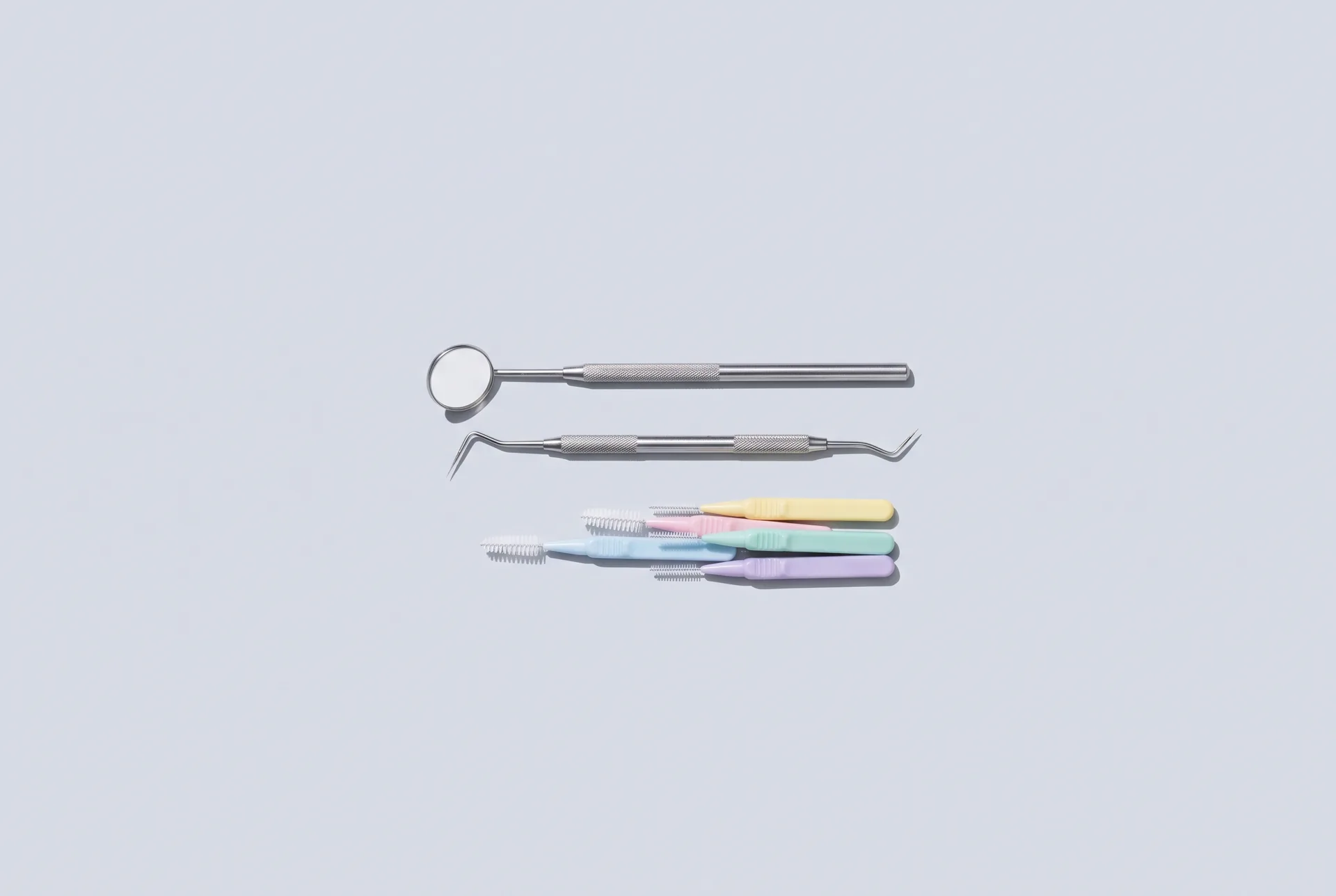
Gum disease usually progresses without pain; its first sign is bleeding when brushing. Untreated, the bone holding the teeth is lost and teeth start to loosen.
Risk factors
Smoking, diabetes, pregnancy, some medications and genetics. In patients with diabetes, gum treatment also helps blood-sugar control.
Receding gums
Where roots are exposed, the gum line can be restored with a connective-tissue graft.
How does the treatment go?
- Measurement
Pocket depths are measured tooth by tooth and bone loss is assessed on x-rays.
- Deep cleaning
Under local anaesthetic, tartar and plaque are removed from the root surfaces.
- Reassessment
Pockets are measured again after 6–8 weeks.
- Surgery and maintenance
Flap surgery or gum grafting if needed, then maintenance every 3–6 months.
The information on this page is general; diagnosis and treatment decisions are made with your dentist after an examination.
Related treatments
 Root Canal Treatment
We clean the inflamed nerve and seal the canals to save the tooth instead of extracting it, working under a microscope.
 Dental Implants
We place a titanium root into the jawbone in place of a missing tooth and fit a natural-looking crown on top; neighbouring teeth are left untouched.
 Smile Design
We plan the colour, length and alignment of your teeth digitally to suit your face and try the result in your mouth before making it permanent.